industry focus · architecture, engineering, construction + design
we specialize in architecture, engineering, construction + design.
we work with architects, engineers, interior designers, residential and commercial builders, and construction managers. we know how project-driven companies run, and we build hr that works in the field and in the office.
residential + commercial builders · construction managers · architects · engineers · interior designers
the most common setup we see
the office manager is running hr.
it happens in almost every growing construction and design firm. someone organized and trusted picks up payroll, onboarding, benefits, and whatever personnel questions come in. they keep the place running.
but nobody hired them to spot legal exposure, manage an investigation, handle a termination, or think about how the company should be structured at twice its size. and the ceo is too busy running projects to fill that gap.
that’s not a criticism of the office manager. it’s a gap in the company. we fill it, and we work right alongside them.
where it usually shows up
- 01field employees classified or paid incorrectly
- 02terminations with no documentation behind them
- 03complaints from a jobsite that never get investigated
- 04a handbook that doesn’t cover every state you work in
- 05superintendents and pms managing people with no training
- 06no plan for who leads when the founder steps back
why construction is different
two workplaces, one company.
the office and the field work on different schedules, talk differently, and mean different things by “management.” project leaders have a lot of autonomy. firms run across job sites, states, and business units, and growth usually gets ahead of the systems behind it.
the office
executive leadership
project executives
preconstruction + estimating
design + architecture teams
finance + administration
the field
project managers
superintendents
foremen
field teams
multiple active job sites
your hr has to work for both sides and for the handoffs in between.
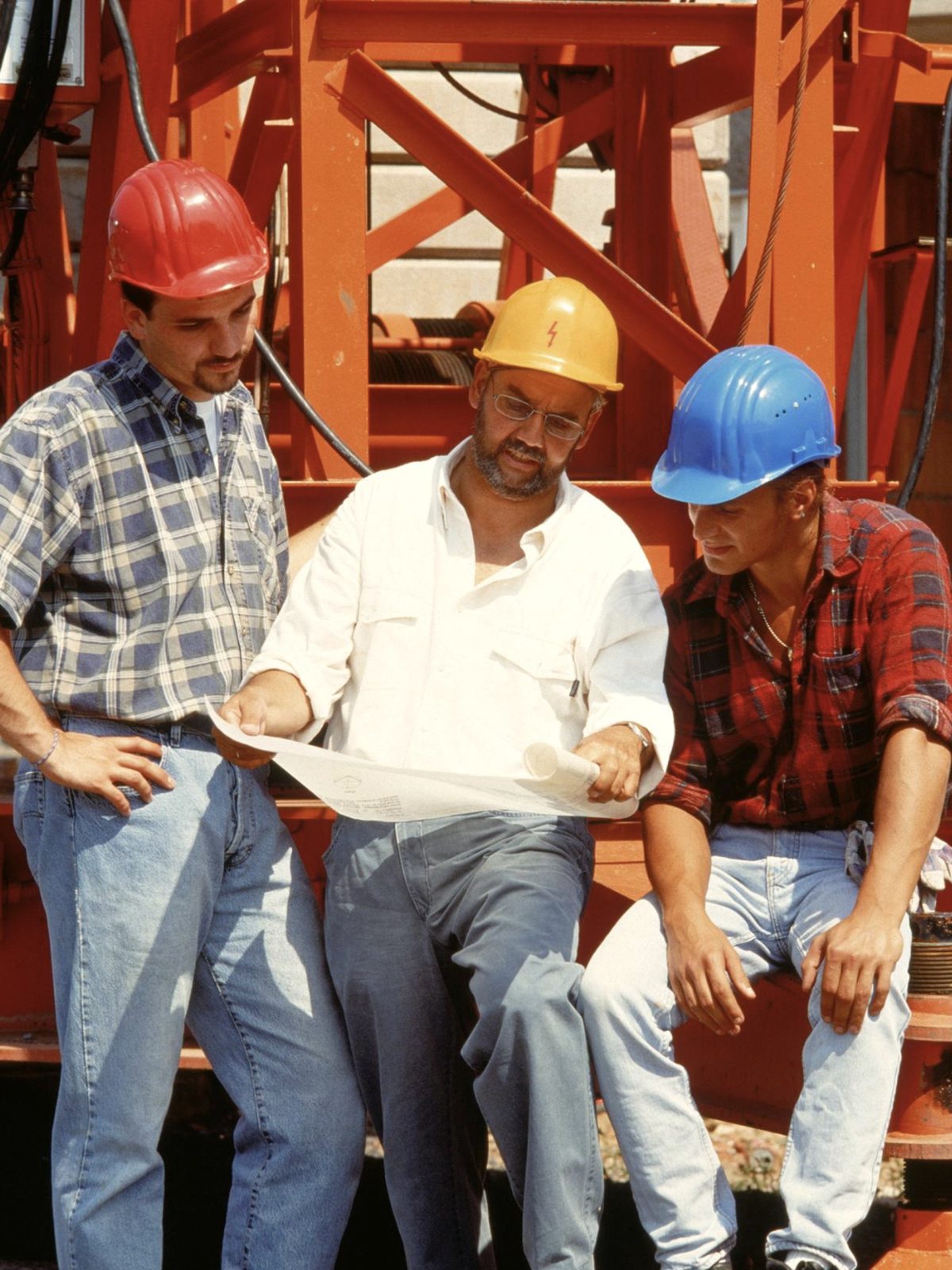
residential + commercial builders
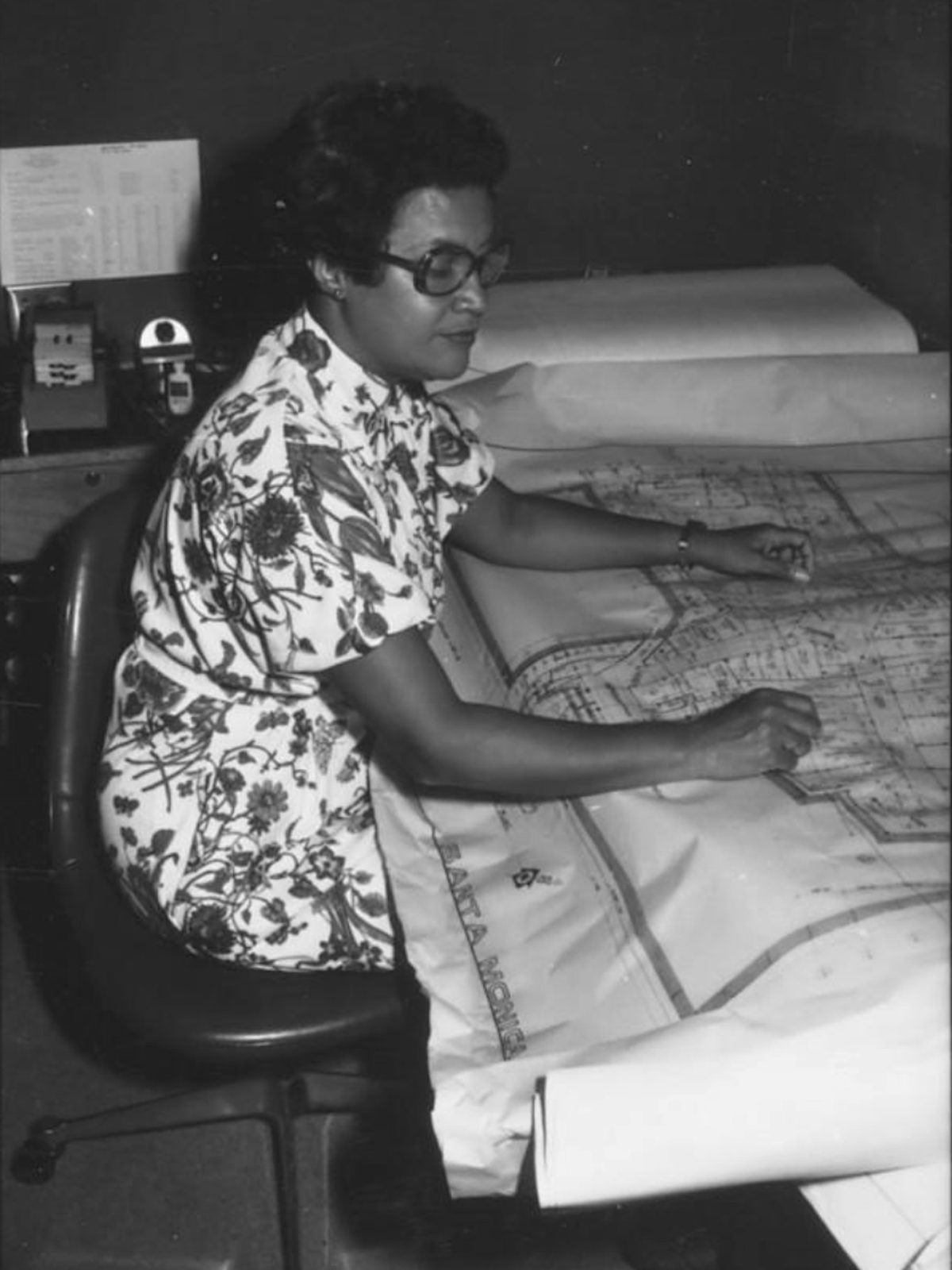
architecture + engineering
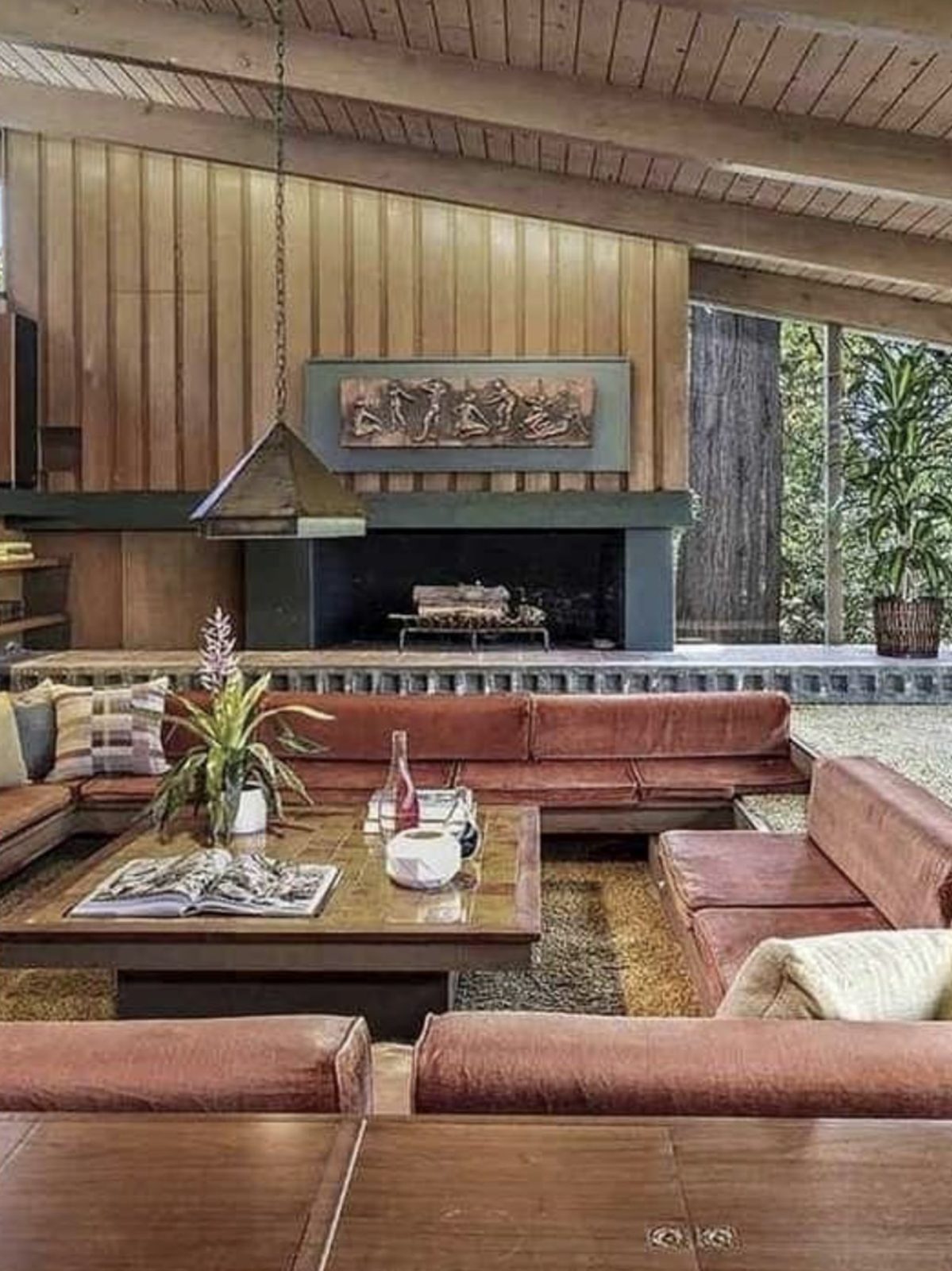
interior design
leadership transitions + succession
getting the next generation of leaders ready, and the company around them, well before the handoff.
accountability + performance
consistent expectations for pms and superintendents, and a review process people in the field will actually use.
monthly management training
helping strong builders become strong managers: documentation, hard conversations, and running crews and teams.
compassionate terminations
planned, documented, and handled with respect, whether it’s one person or a crew.
compensation + bonus structures
pay and incentives that are consistent, defensible, and reward what the business needs.
recruiting + retention
hiring and keeping project talent in a market where good people have options.
employee relations + investigations
complaints and discipline handled properly across sites, with records that hold up.
multi-site + multi-state growth
policies and practices that scale as you add locations and states.
taking hr off the office manager’s plate
systems that move recurring people admin off project leaders and executives.
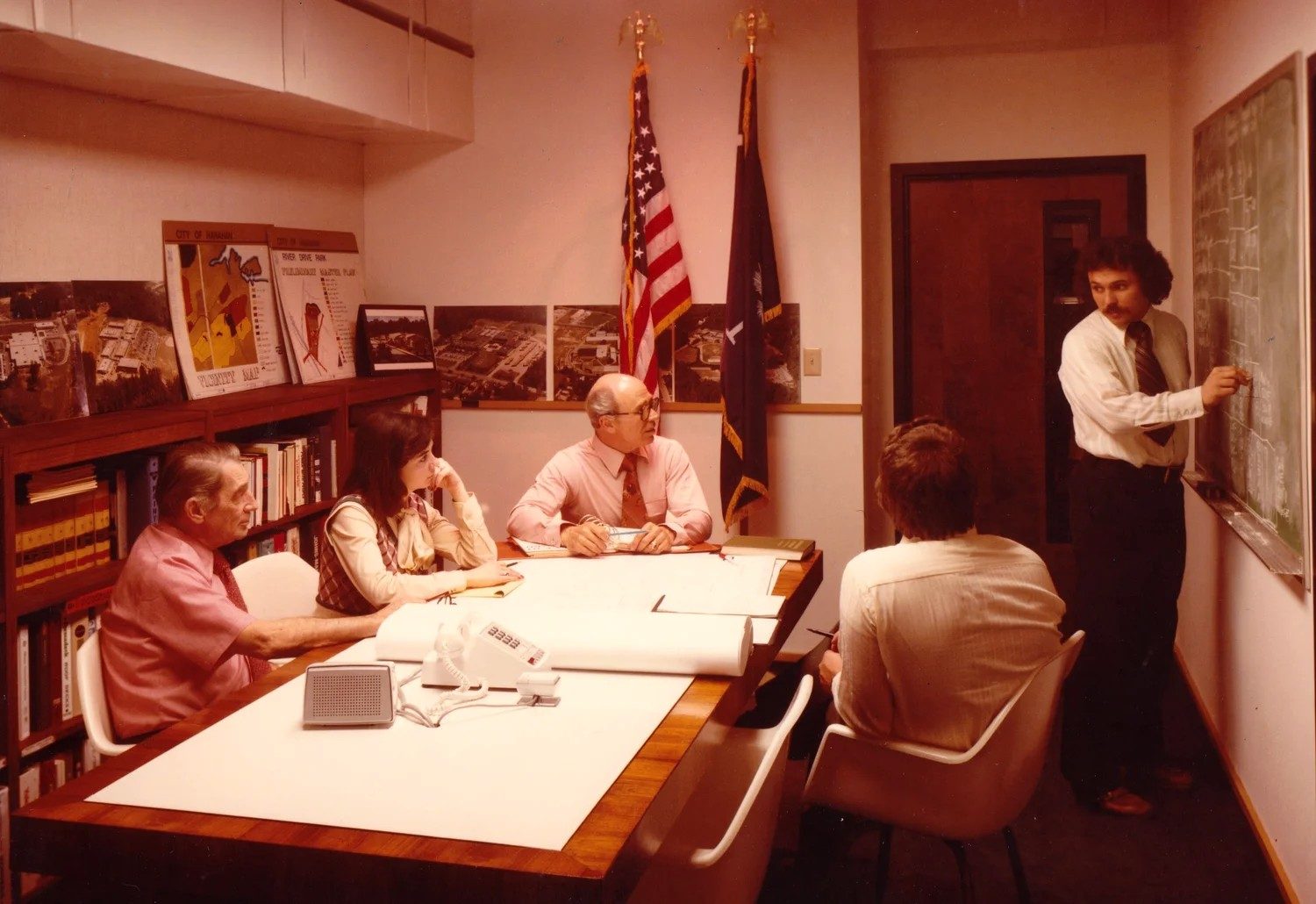
from the inside
we’ve sat in your seat.
before we advised builders, we built their hr. we’ve led people teams inside growing construction firms, on both the residential and commercial side, through hiring surges, leadership changes, and the hard calls in between.
01
we build the structure.
roles, policies, onboarding, and systems that work in the field and in the office.
02
we develop the leaders.
superintendents, project managers, and first-time managers who can lead people, not just projects.
03
we handle the hard calls.
investigations, terminations, and the people decisions that land on the ceo’s desk.
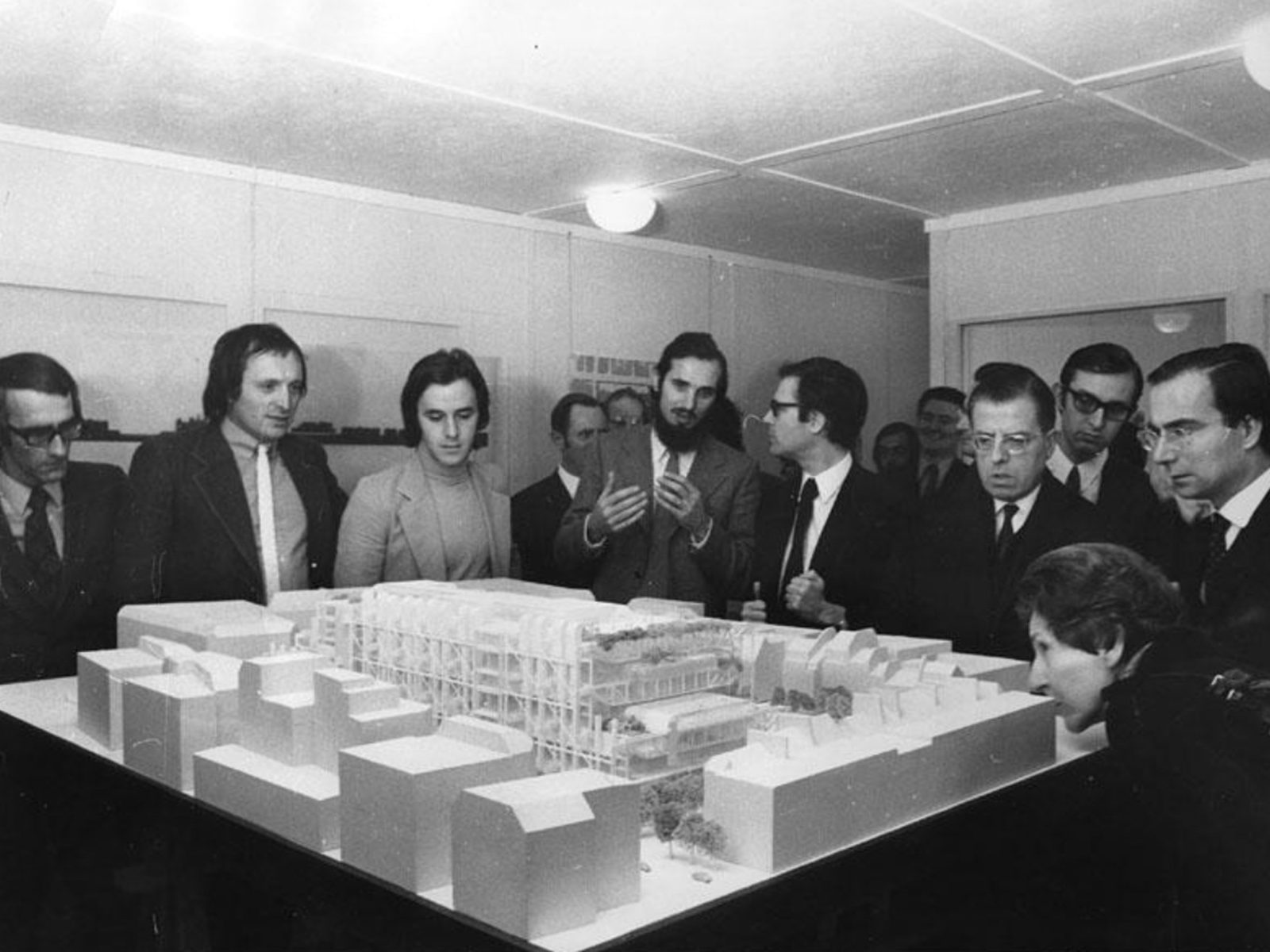
from the archive · no. 03
presenting the model of the centre pompidou, paris, early 1970s.
renzo piano and richard rogers won the commission in 1971. the building opened in 1977.
case study · commercial construction
aligning leadership around a shared vision for the future.
leadership alignment

- the starting point
- a commercial construction company was entering a new chapter with the appointment of a new ceo. its executive team needed time away from day-to-day operations to set shared priorities, clarify expectations, and align on where the business was headed.
- our work
- hghr designed and facilitated a multi-day executive leadership summit. together with leadership, we set company-wide goals and commitments, clarified leadership responsibilities, and organized priorities around four strategic pillars: exceptional projects, a high-performing organization, operational excellence, and sustainable growth.
- the result
- leaders left with a shared framework for moving forward and a clearer understanding of company priorities, individual accountability, and how each function contributes to the company’s success. the summit laid the foundation for stronger collaboration across departments, more intentional leadership development, and a consistent way to turn strategy into measurable goals.
from the inside
we’ve built career paths for builders.
including an 18-month rotational program that gave recent graduates a real path into construction, and the career planning and development sessions to back it up.
know where you stand.
an hghr audit shows construction leadership where the people risk is, where managers need support, and what the next phase of growth will require.